
Advancing safe spaces for anaphylaxis response

Supporting organizations in protecting guests, employees, and communities with needle-free epinephrine readiness


Three people in a university courtyard setting working on a laptop and drinking coffeeThree people in a university courtyard setting working on a laptop and drinking coffee
Busy conference hall with people walking and talkingBusy conference hall with people walking and talking
Two EMS responders in actionTwo EMS responders in action
Actor portrayals.

Emergencies happen fast—readiness must be faster

Severe allergic reactions can progress rapidly and unpredictably. They often occur in public settings, including workplaces, schools, restaurants, travel hubs, and events, and may affect individuals with no known allergy history.1,2

When epinephrine is delayed or unavailable, outcomes can worsen. Organizational readiness plays a critical role in ensuring timely response when every second counts.3

Stopwatch icon

Minutes matter

Anaphylaxis can progress rapidly and unpredictably1

Treatment risk icon

Treatment gaps persist

Many at-risk individuals do not have immediate access to epinephrine4

confidence and quick response icon

Readiness makes a difference

Confidence and quick response can impact outcomes5

Barriers to timely epinephrine use persist

Complex to administer

Injectable devices require device-specific training and comfort with injection, which may limit preparedness in emergency situations.6

Hesitation under pressure

Delays in epinephrine use have been reported, even among previously trained individuals.4,7

Safety and handling risks

Needle-related injuries, handling concerns, and device issues have been reported with injectable epinephrine.8

Storage and stability limitations

Traditional devices may be affected by heat and light, limiting where and how they can be stored.9

Needle-free epinephrine.
Designed for public readiness

neffy is the only FDA-approved non-injectable epinephrine.
neffy helps address key barriers that can delay response and supports readiness when every second counts.8

  • Removes needle-related safety and administration steps10
  • No device training required10
  • Simple, intuitive nasal administration10
  • Can be used by non-medically trained personnel10
  • Designed to support rapid response in emergency settings
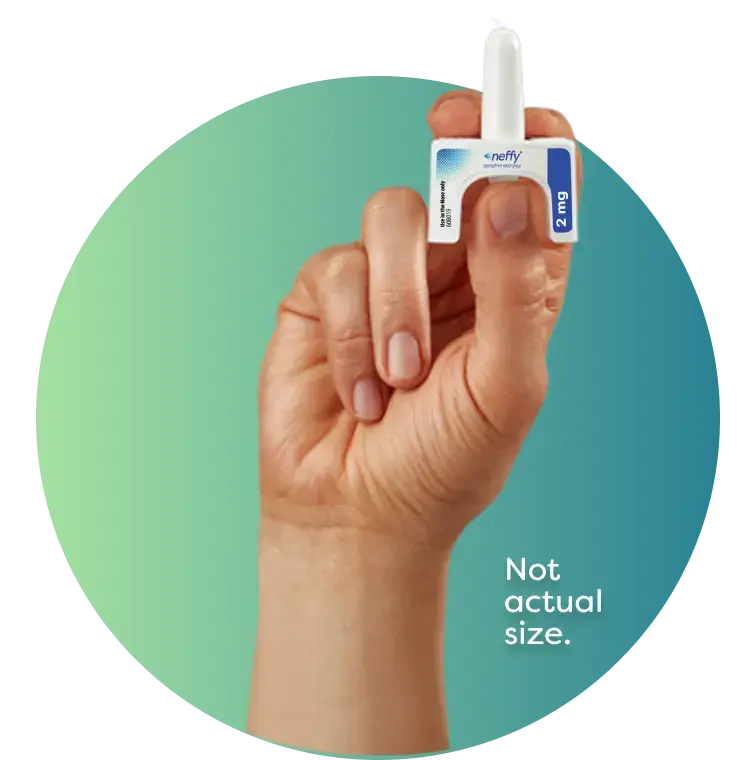
Upright hand holding neffy device in proper position for usage

Designed for public spaces, workplaces, and emergency readiness

In public and workplace environments, emergency response tools must be easy to deploy, easy to store, and ready when needed. neffy was designed to integrate into existing readiness programs and support rapid response by a broad range of potential responders.
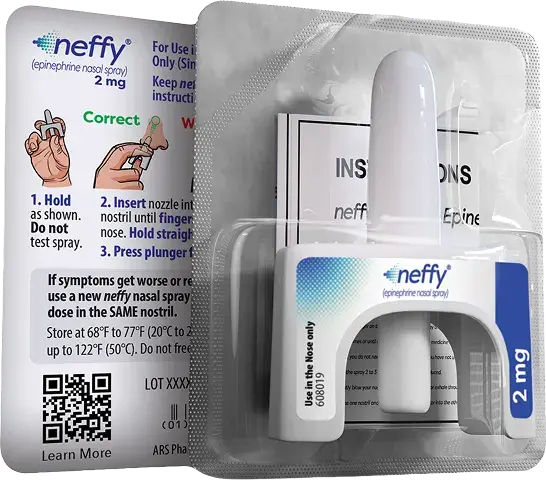
neffy device in blister packaging
  • Can be used by non-medically trained personnel
  • Fits easily into existing first-aid stations and emergency kits
  • Aligns with workplace, public safety, and travel-readiness standards11
  • Up to a 30-month shelf life from date of manufacture12
  • While it is important to store at room temperature, neffy can be accidentally exposed to temperatures up to 122°F (50°C)10

For organizations that prefer to purchase neffy directly, please review our authorized distributors below and select the one that best meets your needs. Clicking on a distributor will take you to their website to complete your purchase.

Readiness may help reduce risk

Emergency readiness is not just a clinical consideration—it's an organizational responsibility. By improving access to epinephrine and simplifying emergency response, organizations can help protect individuals while reinforcing safety standards, preparedness, and public confidence.

  • Supports safe response by non-medically trained personnel
  • Demonstrates organizational commitment to safety and duty of care
  • Aligns with workplace, public safety, and travel-readiness standards

Let's talk about readiness

Whether you're evaluating epinephrine access, updating emergency protocols, or exploring public interest programs, our team can help.

WHAT IS neffy?

neffy is a nasal spray used for emergency treatment of allergic reactions including anaphylaxis, in adults and children who weigh 33 lbs or greater.

IMPORTANT SAFETY INFORMATION

What is the most important information that I should know about neffy?

neffy contains epinephrine, a medicine used to treat allergic emergencies (anaphylaxis). Anaphylaxis can be life-threatening, can happen in minutes, and can be caused by stinging and biting insects, allergy injections, foods, medicines, exercise, or other unknown causes.

Always carry two neffy nasal sprays with you because you may not know when anaphylaxis may happen and because you may need a second dose of neffy if symptoms continue or come back. Each neffy contains a single dose of epinephrine. neffy is for use in the nose only.

Use neffy right away, as soon as you notice symptoms of an allergic reaction. If symptoms continue or get worse after the first dose of neffy, a second dose is needed. If needed, administer a second dose using a new neffy in the same nostril starting 5 minutes after the first dose. Get emergency medical help for further treatment of the allergic emergency (anaphylaxis), if needed after using neffy.

Tell your healthcare provider if you have underlying structural or anatomical nasal conditions, about all the medicines you take, and about all your medical conditions, especially if you have heart problems, kidney problems, low potassium in your blood, Parkinson's disease, thyroid problems, high blood pressure, diabetes, are pregnant or plan to become pregnant, or plan to breastfeed.

Tell your healthcare provider if you take or use other nasal sprays or water pills (diuretics) or if you take medicines to treat depression, abnormal heart beats, Parkinson's disease, heart disease, thyroid disease, medicines used in labor, and medicines to treat allergies. neffy and other medications may affect each other, causing side effects. neffy may affect the way other medicines work, and other medicines may affect how neffy works.

What are the side effects of neffy?

neffy may cause serious side effects. If you have certain medical conditions or take certain medicines, your condition may get worse, or you may have more or longer lasting side effects when you use neffy.

Common side effects of neffy include: nasal discomfort, headache, throat irritation, chest and nasal congestion, feeling overly excited, nervous or anxious, nose bleed, nose pain, sneezing, runny nose, dry nose or throat, tingling sensation, including in the nose, feeling tired, dizziness, nausea, and vomiting.

Tell your healthcare provider if you have any side effects that bother you or that do not go away after using neffy.
These are not all of the possible side effects of neffy. Call your healthcare provider for medical advice about side effects. To report side effects, contact ARS Pharmaceuticals Operations, Inc. at 1-877-MY-NEFFY (877-696-3339) or the FDA at 1-800-FDA-1088 or www.fda.gov/medwatch.

Please see the full Prescribing Information and Patient Information for neffy.

WHAT IS neffy?

neffy is a nasal spray used for emergency treatment of allergic reactions including anaphylaxis, in adults and children who weigh 33 lbs or greater.

IMPORTANT SAFETY INFORMATION

What is the most important information that I should know about neffy?

neffy contains epinephrine, a medicine used to treat allergic emergencies (anaphylaxis). Anaphylaxis can be life-threatening, can happen in minutes, and can be caused by stinging and biting insects, allergy injections, foods, medicines, exercise, or other unknown causes.

Always carry two neffy nasal sprays with you because you may not know when anaphylaxis may happen and because you may need a second dose of neffy if symptoms continue or come back. Each neffy contains a single dose of epinephrine. neffy is for use in the nose only.

Use neffy right away, as soon as you notice symptoms of an allergic reaction. If symptoms continue or get worse after the first dose of neffy, a second dose is needed. If needed, administer a second dose using a new neffy in the same nostril starting 5 minutes after the first dose. Get emergency medical help for further treatment of the allergic emergency (anaphylaxis), if needed after using neffy.

Tell your healthcare provider if you have underlying structural or anatomical nasal conditions, about all the medicines you take, and about all your medical conditions, especially if you have heart problems, kidney problems, low potassium in your blood, Parkinson's disease, thyroid problems, high blood pressure, diabetes, are pregnant or plan to become pregnant, or plan to breastfeed.

Tell your healthcare provider if you take or use other nasal sprays or water pills (diuretics) or if you take medicines to treat depression, abnormal heart beats, Parkinson's disease, heart disease, thyroid disease, medicines used in labor, and medicines to treat allergies. neffy and other medications may affect each other, causing side effects. neffy may affect the way other medicines work, and other medicines may affect how neffy works.

What are the side effects of neffy?

neffy may cause serious side effects. If you have certain medical conditions or take certain medicines, your condition may get worse, or you may have more or longer lasting side effects when you use neffy.

Common side effects of neffy include: nasal discomfort, headache, throat irritation, chest and nasal congestion, feeling overly excited, nervous or anxious, nose bleed, nose pain, sneezing, runny nose, dry nose or throat, tingling sensation, including in the nose, feeling tired, dizziness, nausea, and vomiting.

Tell your healthcare provider if you have any side effects that bother you or that do not go away after using neffy.
These are not all of the possible side effects of neffy. Call your healthcare provider for medical advice about side effects. To report side effects, contact ARS Pharmaceuticals Operations, Inc. at 1-877-MY-NEFFY (877-696-3339) or the FDA at 1-800-FDA-1088 or www.fda.gov/medwatch.

Please see the full Prescribing Information and Patient Information for neffy.

References: 1. Golden WBK, Wang J, Waserman S, et al. Anaphylaxis: a 2023 practice parameter update. Ann Allergy Asthma Immunol. 2024;132(2):124-176. doi:10.1016/j.anai.2023.09.015. 2. Simons EFR, Ardusso LR, Bilò MB, et al. International consensus on (ICON) anaphylaxis. World Allergy Organ J. 2014;7(1):9. doi:10.1186/1939-4551-7-9. 3. Turner PJ, Campbell DE, Motosue MS, Campbell RL. Global trends in anaphylaxis epidemiology and clinical implications. J Allergy Clin Immunol Pract. 2020;8(4):1169-1176. doi:10.1016/j.jaip.2019.11.027. 4. Warren CM, Zaslavsky J, Kan K, Spergel JM, Gupta RS. Epinephrine auto-injector carriage and use practices among US children, adolescents, and adults. Ann Allergy Asthma Immunol. 2018;121(4):479-489.e2. doi:10.1016/j.anai.2018.06.010. 5. Prince BT, Mikhail I, Stukus DR. Underuse of epinephrine for the treatment of anaphylaxis: missed opportunities. J Asthma Allergy. 2018;11:143-151. doi:10.2147/JAA.S159400. 6. Glassberg B, Nowak-Wegrzyn A, Wang J. Factors contributing to underuse of epinephrine autoinjectors in pediatric patients with food allergy. Ann Allergy Asthma Immunol. 2021;126(2):175-179.e3. doi:10.1016/j.anai.2020.09.012. 7. El Turki A, Smith H, Llewellyn C, Jones CJ. A systematic review of patients’, parents’ and healthcare professionals’ adrenaline auto-injector administration techniques. Emerg Med J. 2017;34(6):403-416. doi:10.1136/emermed-2016-205742. 8. Data on file. ARS Pharmaceuticals Operations, Inc. 2025. 9. EpiPen [prescribing information]. Morgantown, WV: Mylan Specialty L.P. 10. neffy [prescribing information]. San Diego, CA: ARS Pharmaceuticals Operations, Inc. 11. Occupational Safety and Health Administration (OSHA). Best practices guide: fundamentals of workplace first-aid program. 2006:1-28. 12. Data on file. neffy expiration 2024. ARS Pharmaceuticals Operations, Inc. 2024.